


-

Specifically aimed at hygiene-conscious millennials/members of the snowflake generation depending on which side of the fence you fall, touch-free meat is basically wrapped in an extra layer of plastic that allows you to unwrap it and place it directly in your pan without actually having to touch any flesh, thanks to an extra plastic protective cover.
Tempted to try this out? First, think just how much you’ll be crushing Sir David Attenborough’s soul. The world does not need more plastic. You do not need to buy extra plastic so you can cook meat. What you need is a better understanding of food hygiene, and you’ll be making Sir David proud.
-

Invest in a meat thermometer to help you check when your meat is cooked in the middle, or just slice into it and have a cheeky peek if you’re not sure. Does it really matter if your meal isn’t Instagram-worthy after you’ve sliced it up to check? No. Remember: there’s nothing Instagrammable about an upset stomach either.
-
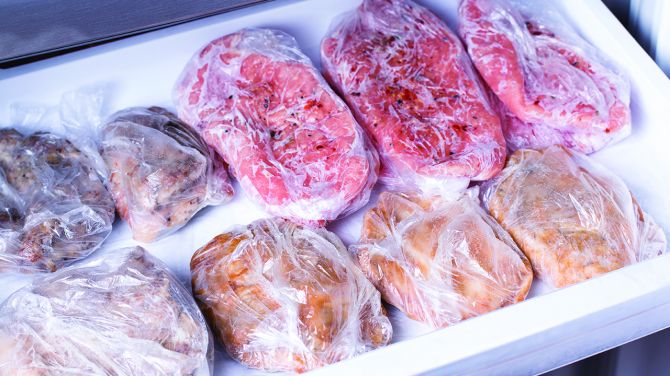
Don’t just shove your raw chicken anywhere in the fridge though. No one wants to reach in for a yoghurt and end up having to wipe raw chicken juice (eww.) off the lid before opening. *Shudders*.
Keep raw meat on the bottom shelf of the fridge, then if there is any unfortunate drippage, nothing will get damaged. Clean out your fridge regularly too – once a week would be best, ideally – and that will get rid of any lingering germs, keeping everything lovely, fresh and, most importantly, safe.
-

With rice, you need to eat it just cooked and piping hot, or when it’s gone totally cold, like in a rice salad, for example. If you let it go cold and then reheat it, you’ll be giving bacteria that’s settled on it during the cooling process permission to multiply and make you seriously ill, so don’t even go there.
Basically, you just need to handle your food with care. And always bear the WWSDT mantra in mind. That’s What Would Sir David Think, btw.
-


Non-Stick Coating
Making cleaning up quicker
-
Efficiency in the Kitchen
 Explore how Tefal’s innovative kitchen gadgets are total game-changers when it comes to making meal preparation a breeze.29 August 2023
 -
Get Involved In Earth Day
 Here's how to take action this Earth day. From cooking choices to caring for your clothes, everyday decisions can make all the difference...19 April 2023
 -
Tefal Investigates: Umami
 The term umami regularly pops up in cookery shows and foodie conversations. So if you’re not quite up to speed on umami, we bring you all you need to know.25 February 2022
 -
Lighten Up In The Kitchen For A Fluffier Life
 We’re whipping things up for some cloud-like drinks and dishes. From soufflés to fluffy pancakes, these delicious recipes will leave you floating on air.10 February 2022
 -
Glorious Soup: How To Pimp Your Broth
 Get your taste buds tingling with these tips to make your soup extra special. We’re sure you’ll agree, soup season just got even tastier…28 January 2022
 -
The Seasonal Vegan
 Discover delicious knock-out meat-free recipes that are in tune with the current season to make your meals more planet-friendly.08 November 2021