
-
Source: Wren Kitchens
-
-


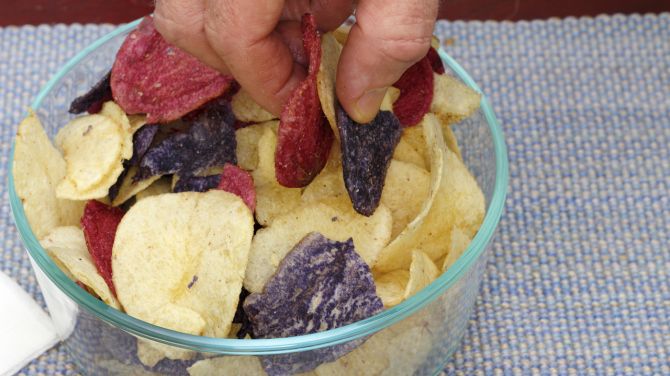
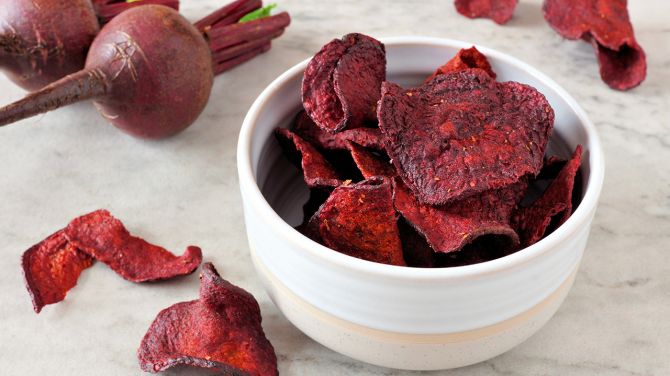
'Healthy' Veggie Crisps Might Not Do What They Say on The Packet

by Tefal Team on 27 June 2017

ActiFry
the healthy way to fry with one spoon of oil
-
Shoot For The Stars With A Show-Stopping Cake
 Great British Bake Off has got us all memorised with the amazing gravity-defying cakes so we have got all the info you need to try your hand at one too.12 August 2019
 -
Healthy Twists For Comfort Foods
 Make your favourite winter warmers even more appealing with these healthy versions.05 December 2022
 -
Sow Now For Summer Feasting
 Check out what seeds to sow now and how to transform your homegrown bounty into delicious summer treats with our pick of the tastiest recipes…23 March 2022
 -
Brighten Up Your Day With Veg
 Paint your plate and boost your nutrients with colourful veg! From cooking tips to what’s in season here's our guide to tasty colourful dishes.21 March 2022
 -
Recipes That Love Your Gut
 Go with your gut in 2022! A healthy gut is a cornerstone to health and wellbeing so here’s what to eat to keep your gut happy.14 January 2022
 -
Glow From The Inside Out
 What we put in our body is even more important than what we put on our body. So get your autumn glow on with this tasty selection of beauty foods.30 September 2021
 -
5 Reasons to Eat Organic
 Wondering if organic food is worth the hype and price? It's certainly good for the planet so take a look at these 5 reasons to give it a go…15 September 2021