


-
“It’s the same reason as honey’, says Toksvig. “They can’t exist without bees, and bees are used in, let’s call it an ‘unnatural way’.”
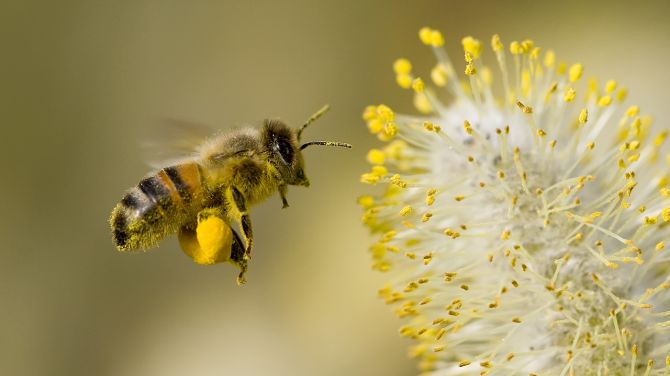
So, what exactly are producers doing with bees to make avocados non-vegan? Well, it’s a process called migratory beekeeping and it’s down to the fact that certain crops are very difficult to cultivate naturally.
They need to be pollinated by insects, such as bees, and when you’re growing them to sell, you can’t rely on bees randomly buzzing in your direction. Instead, they are transported in trucks across whole countries just to do the job.
So, do vegans need to give up eating these veggies then? Well, that would be pretty hard as it turns out all sorts of greens are cultivated in similar ways. That would mean no more broccoli, cherries, cucumbers or lettuce either.
-
It’s time to ask the experts. The Vegan Society addresses the issue in Plant Based News. Its spokesperson Dominika Piasecka says: “Vegans avoid using animals as far as possible and practicable.”
That means it’s too difficult to cut out all foods that cause indirect harm to animals and insects, but that vegans should avoid exploiting them as much as they can. If avocado on toast is your biggest crime, you’re probably not a bad vegan.
Piasecka summarises: “Vegans make a huge contribution to the reduction in suffering and death caused to animals and we would welcome any changes made to farming practices that support this.”

It's not all about the meat
With the versatile OptiGrill, it's easy to get gourmet veg!

Thermospot Technology
Discover the secret to perfect cooking
-
Sow Now For Summer Feasting
 Check out what seeds to sow now and how to transform your homegrown bounty into delicious summer treats with our pick of the tastiest recipes…23 March 2022
 -
Brighten Up Your Day With Veg
 Paint your plate and boost your nutrients with colourful veg! From cooking tips to what’s in season here's our guide to tasty colourful dishes.21 March 2022
 -
Recipes That Love Your Gut
 Go with your gut in 2022! A healthy gut is a cornerstone to health and wellbeing so here’s what to eat to keep your gut happy.14 January 2022
 -
Are You A Climatarian?
 What is a climatarian and why should we all consider this planet-friendly approach to food? You may already be one and not even know it.05 January 2022
 -
The Seasonal Vegan
 Discover delicious knock-out meat-free recipes that are in tune with the current season to make your meals more planet-friendly.08 November 2021
 -
Glow From The Inside Out
 What we put in our body is even more important than what we put on our body. So get your autumn glow on with this tasty selection of beauty foods.30 September 2021