


Ultimate Versatility
Unique removable handles. Optimal space saving.
-
Recipes That Love Your Gut
 Go with your gut in 2022! A healthy gut is a cornerstone to health and wellbeing so here’s what to eat to keep your gut happy.14 January 2022
 -
New Style New Year’s Resolutions
 Could this year’s experiences influence our resolutions for 2021? Before you make some, take a look at possible pledges to commit to this New Year.10 December 2020
 -
Pump It Up! Home Workout Ideas For Everyone
 Get moving and get grooving with these fun home workout ideas that are sure you get you off the couch and using your body the right way!15 April 2020
 -
Healthy Chicken Nuggets by “My Fussy Eater”
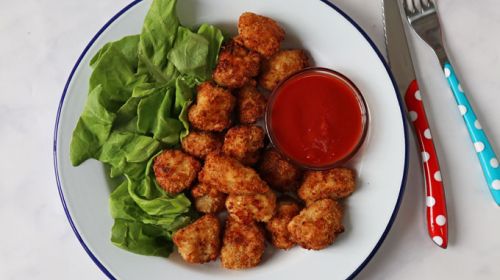 Follow My Fussy Eater as she takes on our Spin Class challenge and puts her ActiFry to good use making healthy chicken nuggets - just in time for summer!31 May 2019
 -
Drink Your Probiotics
 The new probiotics trend of Kefir and Kombucha is here and we have all to do’s and don’t of this gut health trend. Are you brave enough to try it?29 April 2019
 -
Families Bin 40% Of Their Weekly Shop
 It’s Stop Food Waste Day and we’re still chucking out £494 million worth of lettuce, bread and bananas every week. What food can you start saving?25 April 2019