
-
Sweet craving busters
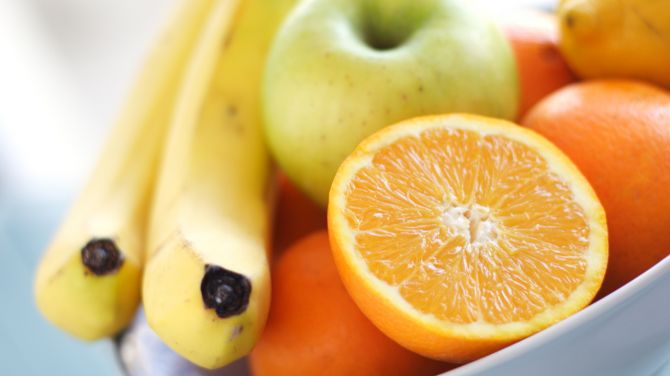
If you have a sweet tooth, giving up your chocolate bars and treats is probably absolute torture. However, you don’t need to give up everything sweet in order to be healthier and can still enjoy a pudding or snack during the day.
Rather than a daily chocolate bar, try sweet fruit instead, as something like a clementine can help beat those sweet cravings while being healthier. Fat-free fruit yoghurts, frozen yoghurt and even dark chocolate are good in moderation too and could leave you feeling more satisfied.
-
Give in every now and then
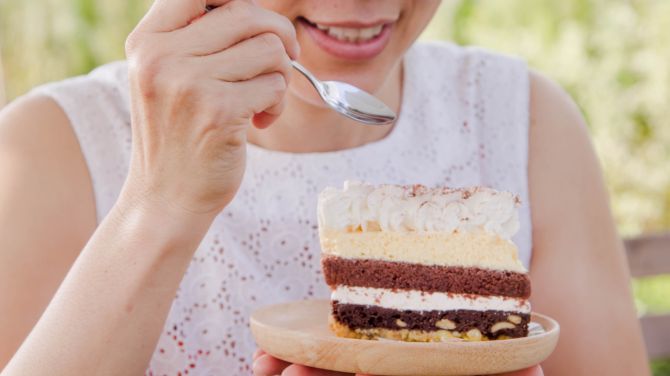
While finding substitutes works well, we all know there is nothing quite like the real thing. This is why it is okay to indulge every once in a while. Having a weekly or bi-weekly treat can help keep you on track and reward you for a job well done.
Not only does this help stop you from going a bit mad with the treats, it also means you don’t feel guilty when you do indulge in something a bit more unhealthy.
-
Half your carbs
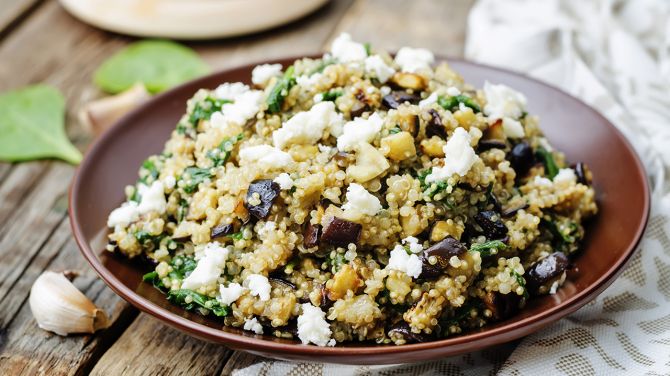
We actually need some carbohydrates in our diet for energy, so cutting them out completely can be a bad idea. Not only can it mean your diet becomes unbalanced, it can cause issues when you reintroduce them to your diet.
Rather than cutting them out completely, switch to complex carbs only and half the amount you put on your plate. If you’re trying to lose weight, this will help you do so but will also give you plenty of energy.
To ensure you’re still filling up at dinner time, simply top up your plate with more vegetables, which will make your meal even healthier.
-
Don't go liquid all day
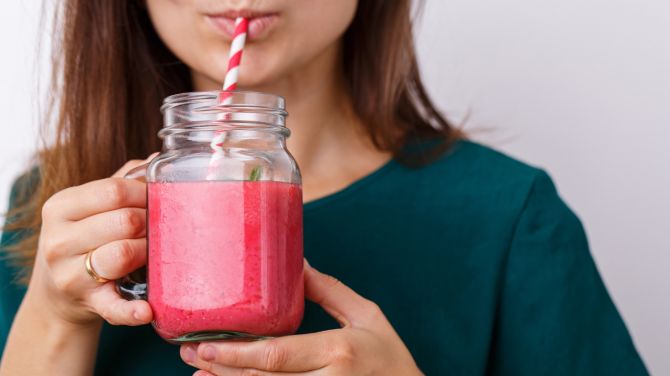
While the idea of a juice or smoothie diet may seem like a good idea, they don’t tend to contain everything you need throughout your day. This means that surviving on juice and nothing else isn’t actually all that healthy and can leave you feeling tired, moody and very hungry – which isn’t fun for you or anyone around you!
Instead of sticking to a solidly liquid diet, have your juice or smoothie for just one meal a day and ensure your other two meals are well-balanced and healthy. This will keep you full throughout the day, give you plenty of energy and still help you meet your goal while being sustainable.
-
Swap your snacks
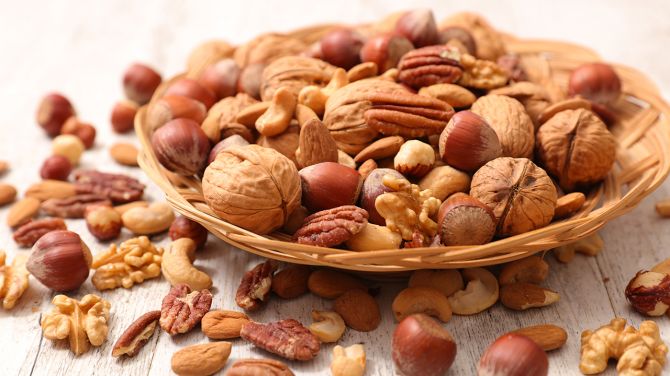
Whether you’re at a desk all day, running after kids or active at work, snacking tends to happen a bit more than it should. You can make your meals as healthy as possible, but if you’re reaching for the biscuits, crisps or fizzy drinks, it undoes all your hard work.
This doesn’t mean that you shouldn’t snack, as we all need a bit of a boost and no one enjoys feeling hungry. However, you need to be careful when it comes to what you snack on.
Clear out the unhealthy treats and get in fruit, vegetables and nuts so you can reach for these instead. Things like carrot sticks and houmous, bananas and almonds are all great for filling you up without all the extra calories and can make your diet a lot more bearable. Just make sure you’re drinking plenty of water too!

Make Your New Healthy Diet Last Beyond January
by Tefal Team on 02 February 2017

ActiFry Healthy Fryer
So much more than just chips!

ActiFry
the healthy way to fry with one spoon of oil
-
Healthy Twists For Comfort Foods
 Make your favourite winter warmers even more appealing with these healthy versions.05 December 2022
 -
Recipes That Love Your Gut
 Go with your gut in 2022! A healthy gut is a cornerstone to health and wellbeing so here’s what to eat to keep your gut happy.14 January 2022
 -
Glow From The Inside Out
 What we put in our body is even more important than what we put on our body. So get your autumn glow on with this tasty selection of beauty foods.30 September 2021
 -
Eat Like An Athlete!
 Ever wondered what fuels some of the world’s top sports people? Find out with these delicious recipes and feast for yourself!14 July 2021
 -
Tefal Investigates: Do You Yuzu?
 It’s citrus but not as you know it. We’re in-zest-igating yuzu and sharing all the juicy details. From cheesecakes to cocktails, we reveal all....24 May 2021
 -
Asparagus, Anytime!
 Asparagus alert! British spears are in season so get your fill with our pick of the tastiest recipes out there. Grill, fry, barbeque, we have it all!14 May 2021