How Much Should Go on Your Kid's Plate?

by Tefal Team on 08 July 2016
  • It can be hard enough cooking and dishing up dinner at the best of times, but if you’re trying to juggle other things too, it can be a stressful experience. You may not have enough time to consider what you’re putting on everyone’s plates or who is getting what portion, but this can be a problem.

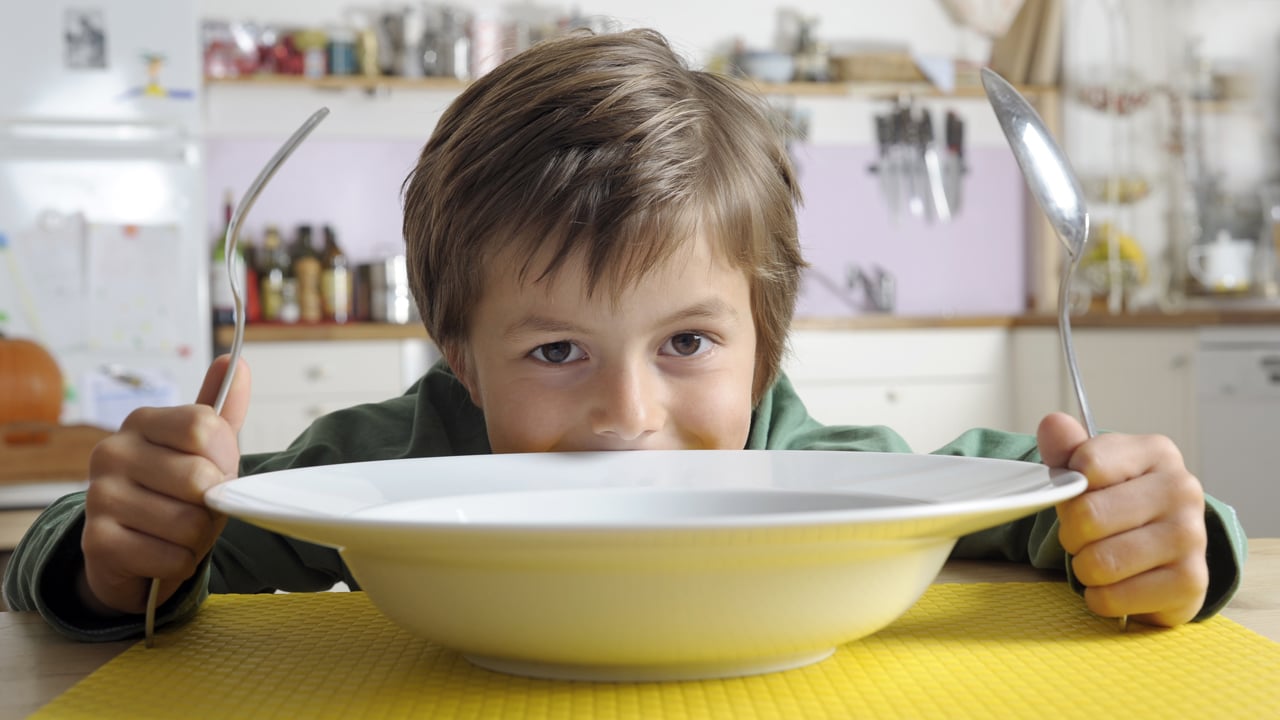
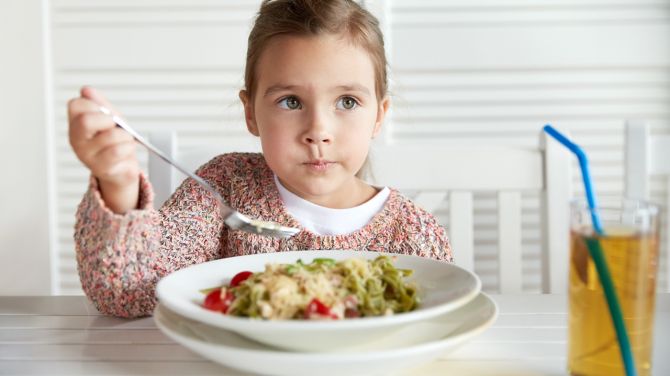
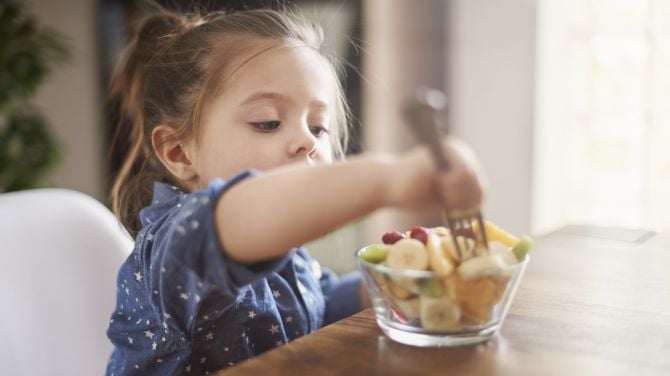
    Many parents are giving their children too much each by misunderstanding recommended portion sizes. Not only is this bad for health, it can also lead to obesity.

  • While it can be easy to hand your little one a bag of crisps when they are hungry or making a fuss, or pop a ready meal in the microwave if you’ve got too much to do without cooking as well, many parents don’t realise that these are all adult portions.

    Children need a lot less to eat than teenagers or adults – even if they do try to trick you into giving them treats throughout the day – so it pays to be aware of what portions of different foods they require.

    A new survey of 1,000 British parents performed by the Infant and Toddler Forum (ITF) revealed that a huge 79 per cent give their children portions that are above the recommended sizes on a routine basis. This could have a huge impact on children’s health and wellbeing, highlighting how important it is to know how much food should be on their plate.

  • The ITF asked the parents involved in the study to look at pictures of food and choose the portion they would normally give to their kids. They were also asked how often their little ones would be given certain foods.

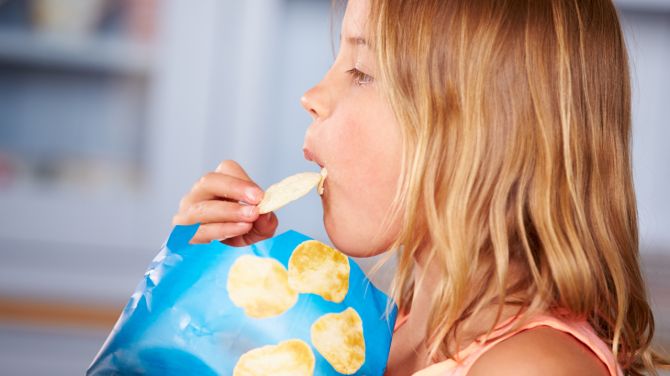
    It was found that around one in 10 parents will serve their children almost adult portions of things like spaghetti bolognese and cheese sandwiches. Around 10 per cent gave snack portions that were too big and 71 per cent gave their kids a bigger portion of crisps than recommended – over a third gave them a whole bag, which is twice the recommended amount.

    Many parents also gave unhealthy foods like crisps to their little ones too often, which is just as bad as giving them the wrong portion – if not worse if they are eating too many. This can lead to children making the wrong choices about food later in life.

  • Child and clinical psychologist, Gill Harris said: “Portion size is critical. It’s one of the main ways in which, as parents, we can inadvertently override children’s self-regulation systems.

    “Larger portions form our acceptance about what is an appropriate amount to eat and this becomes the norm. In other words, how much you offer often determines how much your child will eat and habits learned in early life generally tend to persist.”

     If you want to be clear on what you should be feeding your child, have a look at the ITF’s illustrated guide.

Ingenio Versatility

From the hob to the oven to the table

learn more
Recommended reading
  • Get Involved In Earth Day
    Here's how to take action this Earth day. From cooking choices to caring for your clothes, everyday decisions can make all the difference...
    19 April 2023
  • Speedy, Cheap Eats For The Pre-Christmas Rush!
    When you’re pushed for time, these delicious, cost-effective recipes will come to the rescue!
    09 December 2022
  • Healthy Twists For Comfort Foods
    Make your favourite winter warmers even more appealing with these healthy versions.
    05 December 2022
  • The Tefal Beer-opedia
    Get beer wise with our handy guide! Know your pilsner from your pale ale and pair them with some tasty recipes to elevate your summer menu!
    04 August 2022
  • Recipes That Love Your Gut
    Go with your gut in 2022! A healthy gut is a cornerstone to health and wellbeing so here’s what to eat to keep your gut happy.
    14 January 2022
  • Glow From The Inside Out
    What we put in our body is even more important than what we put on our body. So get your autumn glow on with this tasty selection of beauty foods.
    30 September 2021