


-
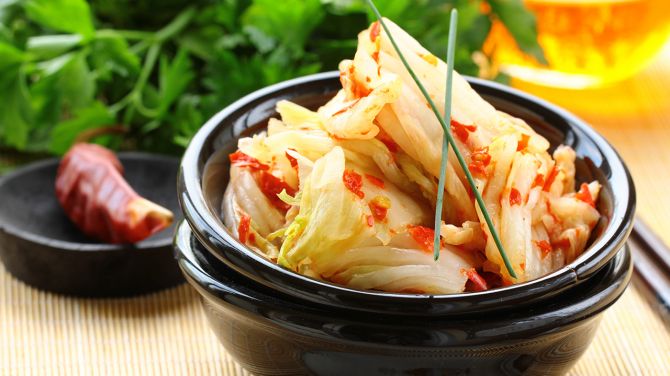
Reckon it sounds weird? Well, Koreans probably think we’re weird for eating tasteless boiled cauliflower and carrots with traditional English meals – they’ve at least tried to liven up their veg sides a little. And when you stop to think about it, foods like pickled cabbage are pretty weird to serve up with a stew too. Cabbage, stored in vinegar until it goes completely sour? Maybe kimchi isn’t so weird after all.
-

My Korean Kitchen has a basic bibimbap recipe for you to follow that you can easily tweak to make your own. We think it’s a much more interesting use for leftovers than the usual bubble and squeak or ‘surprise’ soup. Don’t forget to serve with your kimchi.
-

This recipe for haemul pajeon from Uni Homemaker features what should be a pretty familiar pancake batter after your Shrove Tuesday celebrations, but with some added seafood seasoning, red pepper and spring onions. You could even think of this like a Korean omelette and have it for breakfast.
-
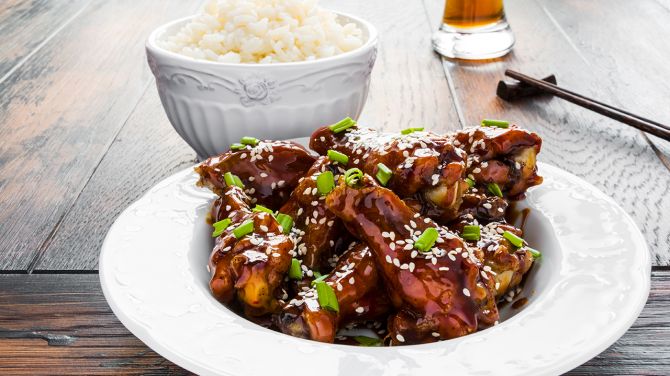
The chicken marinade used here features a special type of Korean red chilli flakes that are known as gochugaru, soy sauce, honey and rice vinegar, but we reckon you could get away with any kind of vinegar really. Top with chopped spring onions for an extra fresh bite of yum.
-
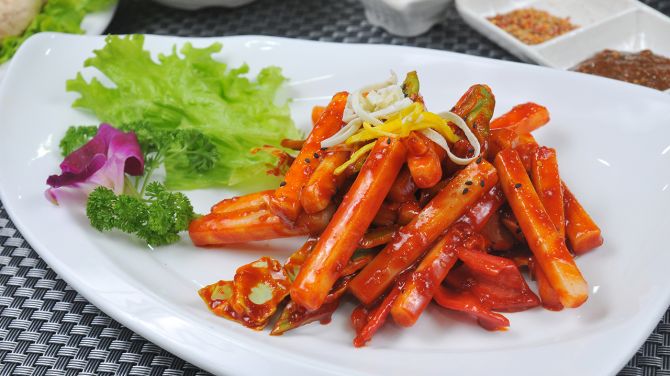
Seonkyoung Longest has a recipe for these that she cooks up with a spicy sauce and bits of chopped-up fishcake. It might sound unusual to us Brits who are used to fishcakes with chip shop chips and mushy peas, but it works really well and makes a great filling meal.
-

This easy-to-follow recipe from Messy Witchen will guide you through the hotteok-making process. You could eat them on their own, but if you think they’re a little dry, top with some of your Western favourites. We recommend maple syrup, or a scoop of praline-flavoured ice cream. Heaven.
We’re sure the athletes you’re watching are following a slightly stricter diet than our suggestions, but seeing as we don’t even know how to put a pair of skis on and the closest we’ve ever come to winter sports is watching Dancing on Ice, we’ll do our bit by getting acquainted with Korea’s food. We know, so noble of us.
-


Thermospot Technology
Discover the secret to perfect cooking
-
Ultimate Butter Chicken and Buttery Naan with Basmati Rice and Coriander
 03 September 2024
 -
-
Banana and Coffee SmoothieThis Christmas morning, why not treat yourself to a refreshing and invigorating start with our Banana and Coffee Smoothie? Combining the creamy sweetness of ripe bananas with the bold kick of coffee, this smoothie offers a delightful blend of flavours and energy to kick off your Christmas festivities. Perfect for those cosy mornings when you want something both satisfying and festive. Raise your glass to a vibrant and joyous holiday season! 🎄22 July 2024
-
What To Eat This February
 Want to make your month extra tasty? Feb food is far from boring with these flavour packed recipes, give these simple, seasonal ones a try!10 February 2023
 -
Lighten Up In The Kitchen For A Fluffier Life
 We’re whipping things up for some cloud-like drinks and dishes. From soufflés to fluffy pancakes, these delicious recipes will leave you floating on air.10 February 2022
 -
Glorious Soup: How To Pimp Your Broth
 Get your taste buds tingling with these tips to make your soup extra special. We’re sure you’ll agree, soup season just got even tastier…28 January 2022
