
-
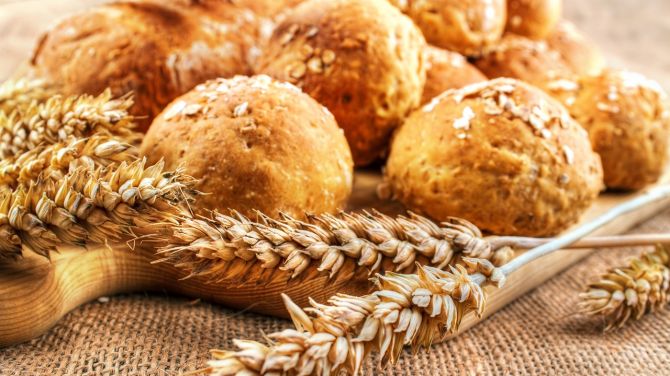
But is this a good thing? Well, according to new research from the University of Hertfordshire, people are giving up eating gluten thinking it’s better for them to cut it out, when it could in fact be damaging their health in the long run.
Only around one in every 100 people have coeliac disease, but a lot more people are giving up gluten at the minute, possibly to be trendy. But what’s so trendy about risking severe stomach cramps, vomiting or diarrhoea every time you eat bread? Why would you pretend to? It’s a more extreme version of those people who wear glasses with clear glass despite not needing specs at all…
Anyway, the University of Hertfordshire scientists found that gluten-free foods tend to contain a lot more saturated fat, sugar and salt than items with gluten in. What’s more, gluten-free stuff typically contains less fibre and protein than regular items, meaning it’s not as filling and we’re likely to consume more of it.
-

Meanwhile, if bloating or other digestive problems are an issue, don’t self-diagnose coeliac disease, talk to your doctor. Instagram might be full of helpful tips and advice, but it’s not a medical expert, so don’t just assume your tummy is gassy because of gluten.
And that’s the main advice we’re giving you here: celebrate your unique digestive noises, don’t go stealing everyone else’s. A lovely note to end on, don’t you think?
-


Gluten-Free Alternatives: Harmless or Pointless?

by Tefal Team on 30 January 2018

ActiFry
the healthy way to fry with one spoon of oil
-
Speedy, Cheap Eats For The Pre-Christmas Rush!
 When you’re pushed for time, these delicious, cost-effective recipes will come to the rescue!09 December 2022
 -
TikTok Trends For Bake Off Glory
 Ready to get your GBBO game on? Worried about having a soggy bottom? Need ideas for a show-stopper? Read these brilliant TikTok baking hacks first…21 September 2021
 -
5 Reasons to Eat Organic
 Wondering if organic food is worth the hype and price? It's certainly good for the planet so take a look at these 5 reasons to give it a go…15 September 2021
 -
That’s A Wrap Hack!
 Fold your way to delicious tortilla treats with this year’s game changing snack hack! Check out these recipes from easy pizzas to strawberry cheesecake!31 August 2021
 -
10 Tasty Veggie Poké-Style Bowls
 We’re bowling you over with our veggie poké dishes for National Vegetarian Week! From tahini topped to juicy jackfruit, we've got your flavours covered.13 May 2021
 -
Tuck Into The Decade’s Biggest Food Trends
 The last decade has provided us with a huge host of fun new foods which are now a staple in many of our diets… here's a roundup of the top trends.20 December 2019