

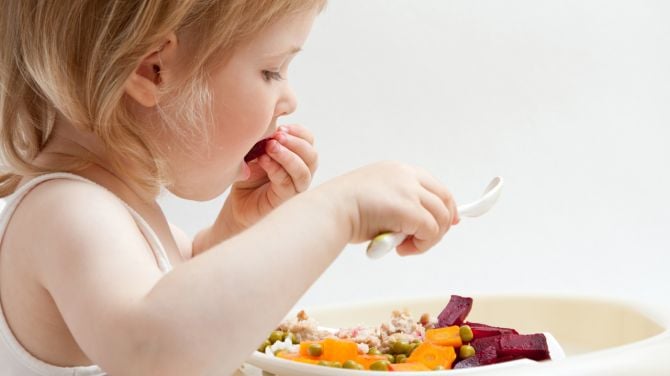
Kids Who Play With Food Eat More Veggies

by Tefal Team on 22 February 2017


Leave It To Cook4Me
Simple, home cooked step-by-step meals

Toast n Bean
The all in one breakfast machine
-
Get Involved In Earth Day
 Here's how to take action this Earth day. From cooking choices to caring for your clothes, everyday decisions can make all the difference...19 April 2023
 -
Speedy, Cheap Eats For The Pre-Christmas Rush!
 When you’re pushed for time, these delicious, cost-effective recipes will come to the rescue!09 December 2022
 -
The Tefal Beer-opedia
 Get beer wise with our handy guide! Know your pilsner from your pale ale and pair them with some tasty recipes to elevate your summer menu!04 August 2022
 -
Food To Keep In The Family
 Family recipes are the stuff of dinner table legend. Expand your family food traditions with these simple tips and tricks.20 December 2021
 -
TikTok Trends For Bake Off Glory
 Ready to get your GBBO game on? Worried about having a soggy bottom? Need ideas for a show-stopper? Read these brilliant TikTok baking hacks first…21 September 2021
 -
That’s A Wrap Hack!
 Fold your way to delicious tortilla treats with this year’s game changing snack hack! Check out these recipes from easy pizzas to strawberry cheesecake!31 August 2021