

-
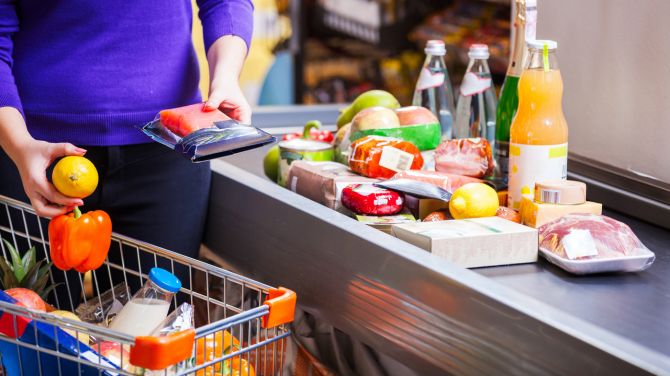
Unfortunately, it looks like your pennies may not stretch quite as far when it comes to food if certain bodies can be believed.
According to the National Farmers Union (NFU), we could see prices go in the wrong direction. This is due to a combination of the weak state of the pound following the announcement of a Brexit win and the fact that the UK is dependent on food imports.
Meurig Raymond, president of the NFU, told the Guardian that as Britain only produces around 60 per cent of the food the country consumes, we need to import produce to supplement our needs. This could get more expensive to do now that the pound is not as valuable.
-
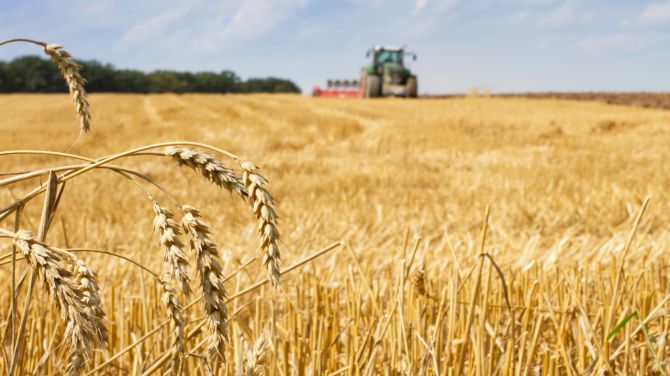
But it isn’t just imported food that could see a price hike, once the UK leaves the EU, farmers will lose out on around £3 billion worth of funding. It isn’t yet clear whether the government will be able to address this, but if they don’t, it will mean that running costs become higher.
As well as food prices being affected, leaving the EU means that the UK will no longer have to abide by its legislation when it comes to food produce. This could mean less regulation of things like pack size, labelling and product standards, which could ultimately mean you end up with a smaller amount and lower quality for a higher price.
On the plus side, no longer importing so much food from EU countries could open up new markets in other locations. It could also result in shorter supply chains, which could make it easier to detect food fraud, such as the horsemeat scandal.
-
Take The Pressure Off
gourmet meals in minutes

Classic Tefal Cookware
non stick? we invented it . . .
-
Get Involved In Earth Day
 Here's how to take action this Earth day. From cooking choices to caring for your clothes, everyday decisions can make all the difference...19 April 2023
 -
Speedy, Cheap Eats For The Pre-Christmas Rush!
 When you’re pushed for time, these delicious, cost-effective recipes will come to the rescue!09 December 2022
 -
The Good Food Storage Guide
 Food waste equals money down the drain, so become a preservation pro with our favourite food storage tips, tricks and hacks!04 August 2022
 -
TikTok Trends For Bake Off Glory
 Ready to get your GBBO game on? Worried about having a soggy bottom? Need ideas for a show-stopper? Read these brilliant TikTok baking hacks first…21 September 2021
 -
That’s A Wrap Hack!
 Fold your way to delicious tortilla treats with this year’s game changing snack hack! Check out these recipes from easy pizzas to strawberry cheesecake!31 August 2021
 -
What To Do With Your Used Coffee Grounds
 From giving yourself a good scrub to tenderising your meat, there’s loads of ways to use up your old coffee grounds this UK Coffee Week.29 April 2019