
-
Whose list is it anyway?
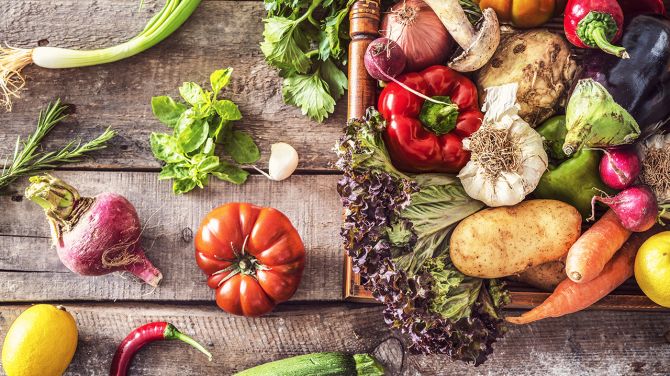
Every year the Environmental Working Group (EWG), a US not-for-profit organisation that looks into protecting human health and the environment, produce the EWG’s Shopper’s Guide to Pesticides in Produce™.
Think of it as a pesticide offender roll call compiled by testing 48 popular fruits and veggies. The 15 foods with the least pesticides are known as the Clean 15, while the 12 worst culprits are the notorious Dirty Dozen.
Yes, it’s an American list based on American research but the UK has adopted these guidelines over the last few years. Our farming may be different; nevertheless, these fruit and veg are the most susceptible to contamination however they’ve been grown.
-
2019’s pesticide-prone produce: the Dirty Dozen
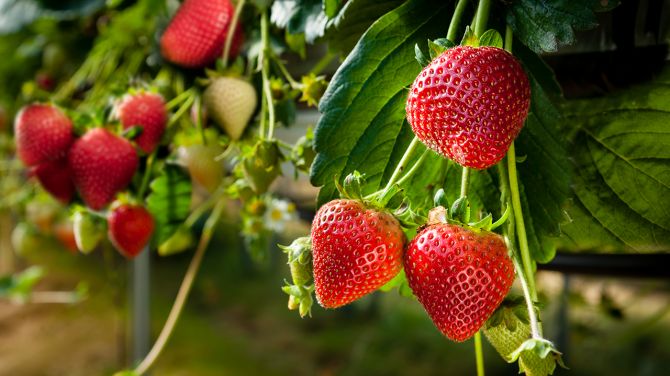
If you’re looking to swap in some organic produce, start with these:
- Strawberries
- Spinach
- Kale
- Nectarines
- Apples
- Grapes
- Peaches
- Cherries
- Pears
- Tomatoes
- Celery
- Potatoes
-
This year’s do-gooders: the Clean 15
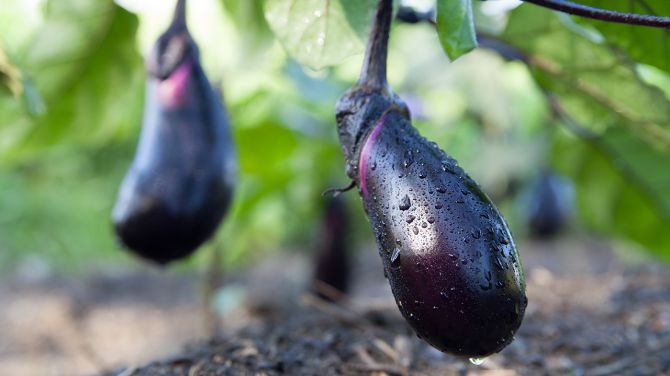
With fewer pesticides, these are OK to buy non-organic:
- Avocados
- Sweet Corn
- Pineapples
- Frozen peas (link to pea blog)
- Onions
- Papayas
- Aubergine (link to aubergine blog)
- Asparagus
- Kiwi
- Cabbage
- Cauliflower
- Cantaloupe
- Broccoli
- Mushrooms
- Honeydew Melons
-
Vegspiration
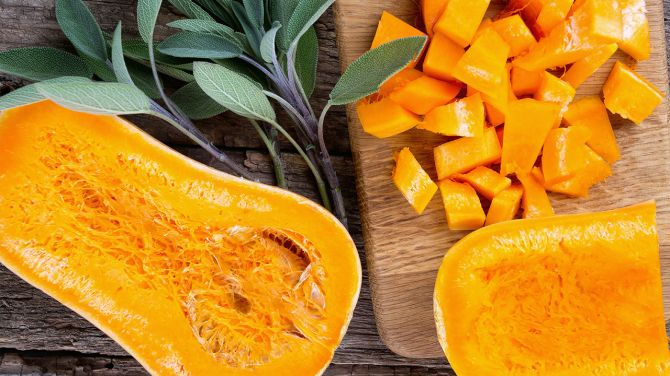
Looking for new ways to test out these tasty veggies? Try the Vegepedia or get your hands on a copy of Jamie’s latest cookbook, Veg.
And remember – how veg is cooked can make the difference between nutritiously mouth-watering and plain old mush so treat your veggies to a suitable pan to get the best out of them.
Know Your Dirty Dozen From Your Clean 15 This Organic September
by Tefal Team on 06 September 2019

Get The Most From Your Veg
Try our Veggie pan to preserve up to 30% more nutrients*

Try The Tefal Veggie Pan
To preserve up to 30% more nutrients*
-
Sow Now For Summer Feasting
 Check out what seeds to sow now and how to transform your homegrown bounty into delicious summer treats with our pick of the tastiest recipes…23 March 2022
 -
Brighten Up Your Day With Veg
 Paint your plate and boost your nutrients with colourful veg! From cooking tips to what’s in season here's our guide to tasty colourful dishes.21 March 2022
 -
Recipes That Love Your Gut
 Go with your gut in 2022! A healthy gut is a cornerstone to health and wellbeing so here’s what to eat to keep your gut happy.14 January 2022
 -
Glow From The Inside Out
 What we put in our body is even more important than what we put on our body. So get your autumn glow on with this tasty selection of beauty foods.30 September 2021
 -
5 Reasons to Eat Organic
 Wondering if organic food is worth the hype and price? It's certainly good for the planet so take a look at these 5 reasons to give it a go…15 September 2021
 -
In Season: British Strawberries
 Get your fill of plump, juicy British strawberries – in season now! Check out our crop of summer recipes from strawberry kebabs to strawberry jam.27 August 2021