

-
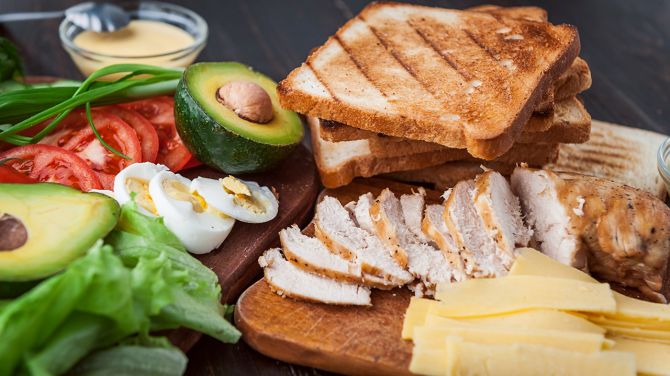
Hopefully they’ll go for cheese and crackers with salad or a ham and salad pitta, but if they end up with a pile of crackers topped with just cucumber or a load of ham and lettuce and no bread, it doesn’t matter, as long as they’re experimenting and eating!
By the end of the week, you should both have a much better idea of what will go down well at future lunchtimes, and you should encourage them to play more of a part in making their own lunches once they’re back at school too.
-
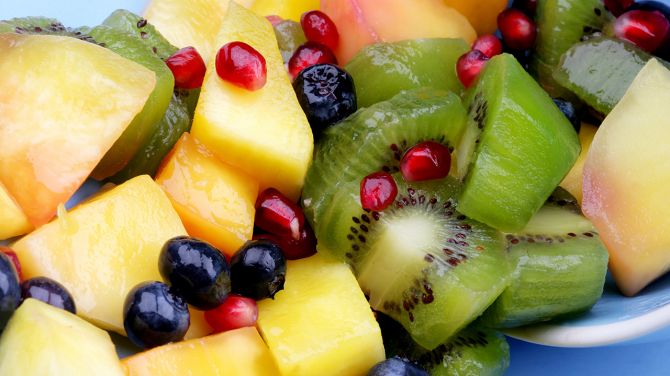
If it’s new types of fruit or veg you’re getting them to try, start by chopping them up small. If it’s different sauces, ask them to try just a teaspoonful to begin with. If you know lumps of veg are going to be a problem, blend them up with your Tefal high-speed blender to hide them.
And persevere – you’ll get there, eventually!
-
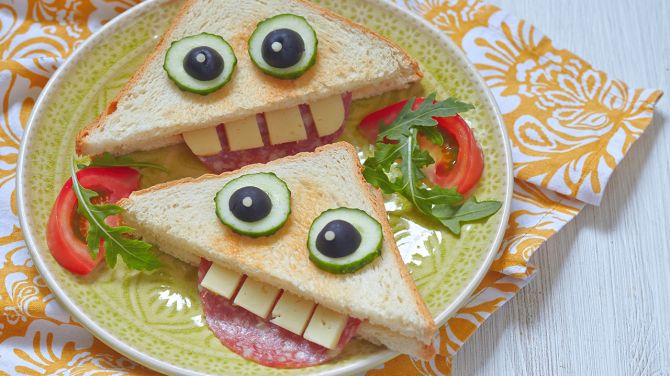
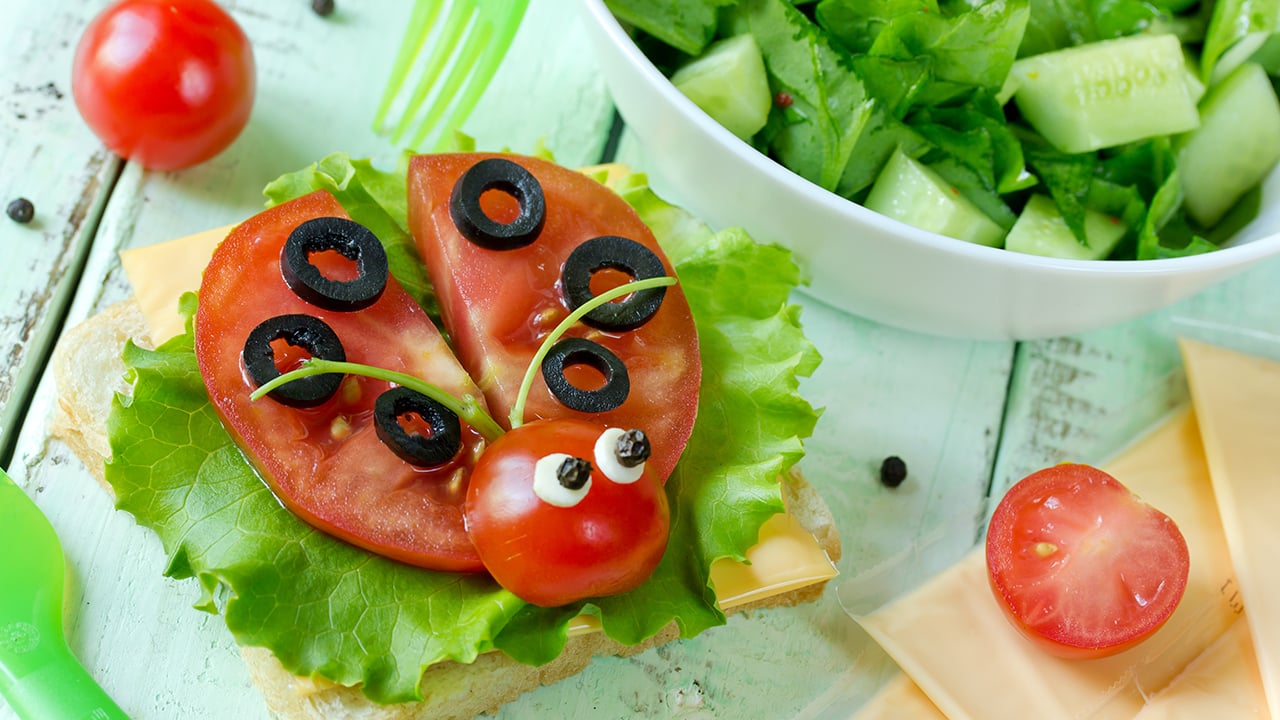
Getting some fun moulds can also help to make your food presentation more appealing. For instance, serving rice in a star shape or using biscuit cutters in the shape of dinosaurs or other characters to shape pieces of chicken before cooking can make a standard meal seem much more exciting.
By the end of your food art week, get your little ones to come up with their own designs, giving them plenty of praise for letting their creativity shine.
-

Write the week’s shopping list together too to get them to understand more of the whole process of preparing meals, and ask them to think about where different ingredients could be used in more than one meal.
-

This is a great task to help little ones realise what it’s like for you when they refuse to eat something you’ve put a lot of effort into making, so try to explain this to them in the calmest way possible after you’ve tucked in – and let them off washing up/setting the table duties for the evening!
-

Keep an eye on children when it comes to using the oven, but they can weigh out flour, crack eggs and stir in sugar all by themselves, especially with a kid-friendly recipe like these simple fairy cakes from Baking With Granny or some cute gingerbread people using these instructions from What Jessica Baked Next.
Overall, remember that patience is key and fussy eaters can’t be cured overnight, but by turning food into something fun and interactive rather than something stressful, you’ll get there eventually – good luck!
-


ActiFry Healthy Fryer
So much more than just chips!
-
How to be the BBQ pro for your guests this summer
 It’s that time of the year: BBQs in the garden with friends and family. Check now our no fuss BBQ ideas that everyone will enjoy.28 July 2023
 -
The Tefal Beer-opedia
 Get beer wise with our handy guide! Know your pilsner from your pale ale and pair them with some tasty recipes to elevate your summer menu!04 August 2022
 -
8 Easy Recipes For Summer Batch Cooking
 Here's our must make super tasty batch cooking recipes to save time, money and energy in the kitchen this summer season whatever the weather.26 July 2022
 -
Summer Recipes For The EasyFry
 Get ready for a summer of feasting with the EasyFry! These easy recipes are just what you need to get you started this summer…29 June 2022
 -
In Season: British Strawberries
 Get your fill of plump, juicy British strawberries – in season now! Check out our crop of summer recipes from strawberry kebabs to strawberry jam.27 August 2021
 -
4 Fabulous Feasts To Bring Home The Med
 Sizzling meat, sun-soaked veg, holiday vibes – capture the Med with these 4 easy dishes - cevapcici, Med veg medley, shakshuka and tagine!29 July 2021