

-
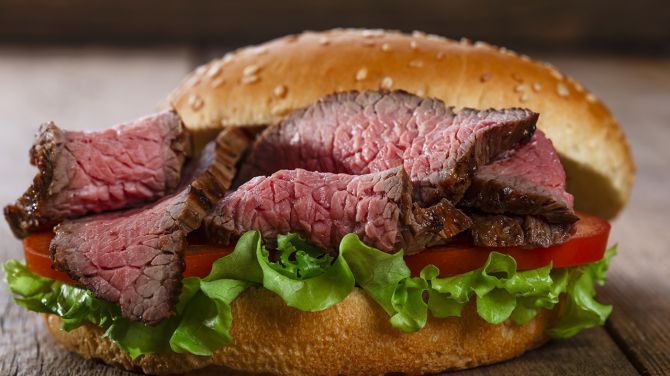
Experts at the University of Bath aren’t feeding grass to cattle, but growing animal cells on individual blades instead.
If they manage to go further and produce the cells on an industrial level, then slaughter-free meat could be a new option on supermarket shelves.
Cultured meat would raise lots of questions, like whether or not it’s vegan if no animals have been harmed in making it.
-
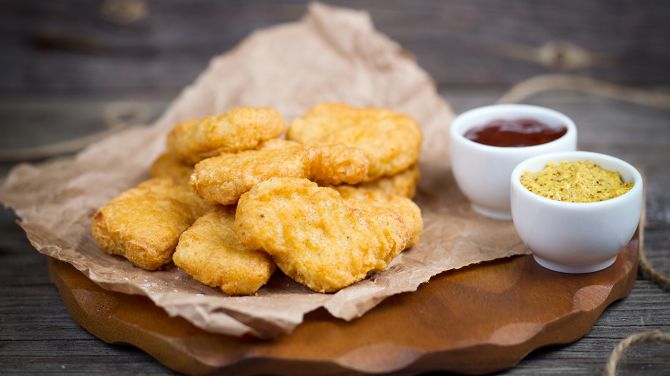
The UK isn’t the first country to explore the possibilities of lab-grown meat and one company in the US says it’s nearly ready for its cultured chicken nuggets to be served in a few select restaurants.
They are grown from cells taken from a feather on a live chicken, meaning the bird doesn’t have to be killed to make the dinnertime favourite.
Dr Marianne Ellis, a chemical engineer at the University of Bath, is working in the lab where pig cells are being grown and told the BBC the technique could become “an alternative protein source to feed the world”.
-
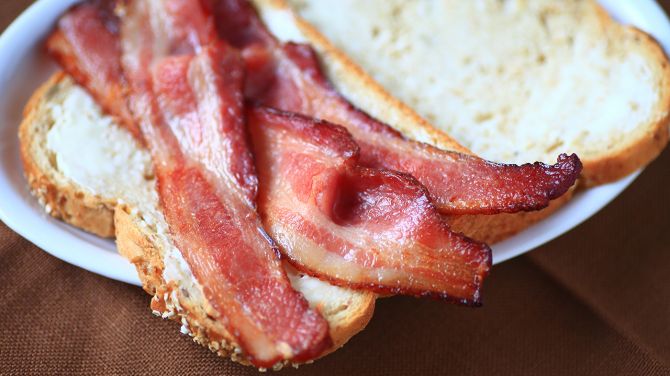
Isolating and growing the cells is just the beginning, because it turns out there’s more to getting bacon right than just giving it the best lab conditions.
There’s the taste, the texture and the structure to perfect and each of those could take years, so it may be a while before everyone is chowing down on slaughter-free bacon butties.
So, would it be worth all the effort to create cultured meat? The Good Food Institute says that cell-based meat could be produced using less land and water, as well as without as much carbon dioxide being released into the atmosphere.
-

This could benefit the environment at the same time as sparing the pain and suffering of animals. Other pros include tackling anti-microbial resistance and food contamination.
Detractors say that it could actually be worse for the environment than traditional methods of producing meat, but there’s simply no data to go off…yet.
Now that the techniques are being developed in the UK there’s a good chance arguments will start to form at both ends of the debate.

OptiGrill Plus
Always Grilled the way you like it

OptiGrill XL
Grilling for the whole family
-
That’s A Wrap Hack!
 Fold your way to delicious tortilla treats with this year’s game changing snack hack! Check out these recipes from easy pizzas to strawberry cheesecake!31 August 2021
 -
A Butcher’s Guide To Sustainable Meat
 It’s National Butchers Week so we have the ultimate guide to helping you select the best meat with a little help from your butcher.09 March 2021
 -
Nail Your Summer Grill Skills
 Celebrate National Burger day properly and learn how to grill like a pro with these top tasty grilling tips.26 August 2020
 -
Smart Ways To Reduce Your Plastic Waste
 Up your eco with our list of handy tips to reduce your plastic for plastic-free July. We have some great ideas to get you eco-chic!08 July 2020
 -
Your Ultimate Guide To Cheap Meat Cuts
 It’s time to diversify your meat and give some of the lesser known cuts a try! So here are some mouth-watering recipes to whip up.09 March 2020
 -
Meat Marinades Caribbean Style
 It’s Caribbean Food Week, so treat your meat to some tasty tropical marinades. Raise the steaks with these game-changing tips and recipes.21 August 2019